For most physicians, medicine begins with textbooks. For me, it began with my own body — one that looked normal on paper but felt anything but.
My journey with unexplained health issues began while I was serving a two-year mission for my church at nineteen. It started subtly. My hair began to thin, and my hairline receded far earlier than I ever expected — something my peers did not let me forget. There was no family history to explain it. Then came the part that worried me more: a deep, persistent exhaustion that did not match my age or my circumstances, and weight gain despite living a structured and disciplined life.
When I returned home, my father — also a physician — immediately began helping me search for answers. Together we did everything medicine had taught him: a full evaluation, extensive blood tests, comprehensive screening panels. Everything came back normal.
Those two words — you are normal — stayed with me for years. They were meant to reassure me, but they offered no comfort, because I did not feel normal at all.
That experience followed me through medical school, through residency, and into practice. In 2008, one year into practice, I began formal training in hormone optimization, determined to understand what standard medicine had not yet taught me. That training has continued for nearly two decades. Along the way I kept seeing the same pattern: people living in what I call the Gray Zone — where labs look fine, but cells aren't receiving the keys they need for steady energy, clear thinking, and real presence.
This book isn't about quick fixes or chasing numbers. It's about helping people ask better questions — of me, or of whatever provider they choose.
There is a profound difference between simply being alive and feeling fully alive.
— Greg
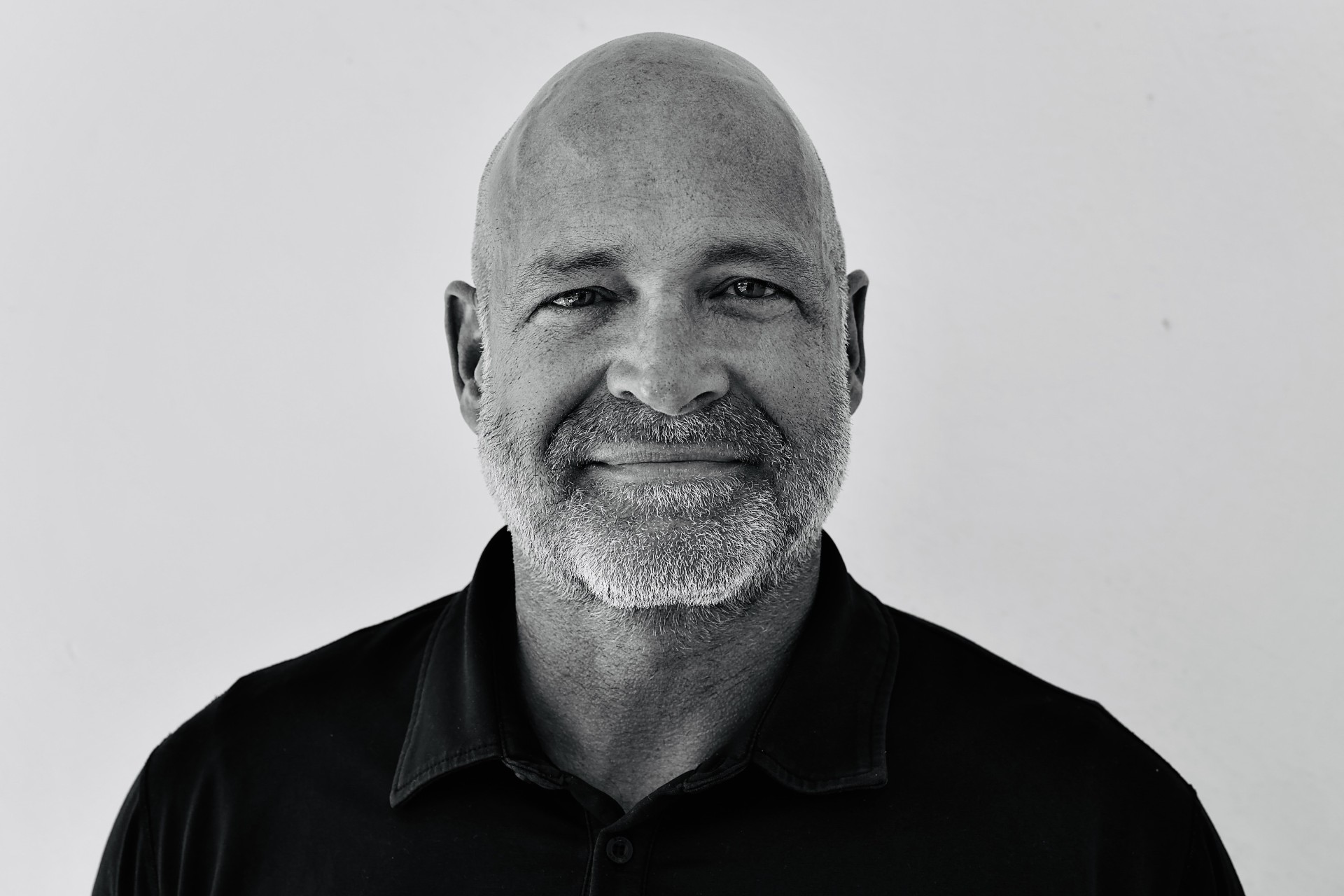
Outside the clinic, Dr. Allen has been married for over thirty years. He and his wife have raised five children — four daughters and a son — and now have three grandchildren with one more on the way. He is usually on a pickleball court, out on a trail, or somewhere in the world exploring a new place with the people he loves most. He is fluent in Spanish.
A short list of principles that shape how I evaluate, treat, and support every patient who walks through Tera Fe's doors.
Lab results matter. So do symptoms, function, sleep, mood, drive, and how you actually feel in your life. I treat the whole picture.
Falling inside a reference range isn't the same as functioning well. I aim for optimal — for you, at this stage of your life.
Treatment should address why something is happening, not just mask it. That takes longer evaluation and deeper questions — and it's worth it.
Hormone therapy, peptides, GLP-1s, longevity protocols — each thoughtfully matched to a person, not pulled off a shelf.
The name Tera Fe belongs to my wife — the woman you read about in these pages, who stood by my side through every season of this journey. She has also been the most physiologically complex patient I have ever worked to optimize. I named this practice in her honor, because her case taught me how much can be missed when complexity gets mistaken for a dead end — and how much is worth looking for before anyone concludes there is nothing left to find.
Telehealth has been part of how we care for patients from the very beginning — long before it became widely recommended. Whether you see us in person in Mesa or reach out about virtual care, the process is the same: a thorough conversation about your history, your symptoms, your goals, and what you have already tried.
Leave your name and email and I'll let you know as soon as it's available.
I'll email you the moment the book is released.